
 За компанията
 Фирмени политики
 Видео
 Екип
 Галерия
 Контакти

Kaufen Tesdaf Zertifikat
Последване на компанията
За компанията
You’ll Never Guess This German B1 Certificate’s Secrets
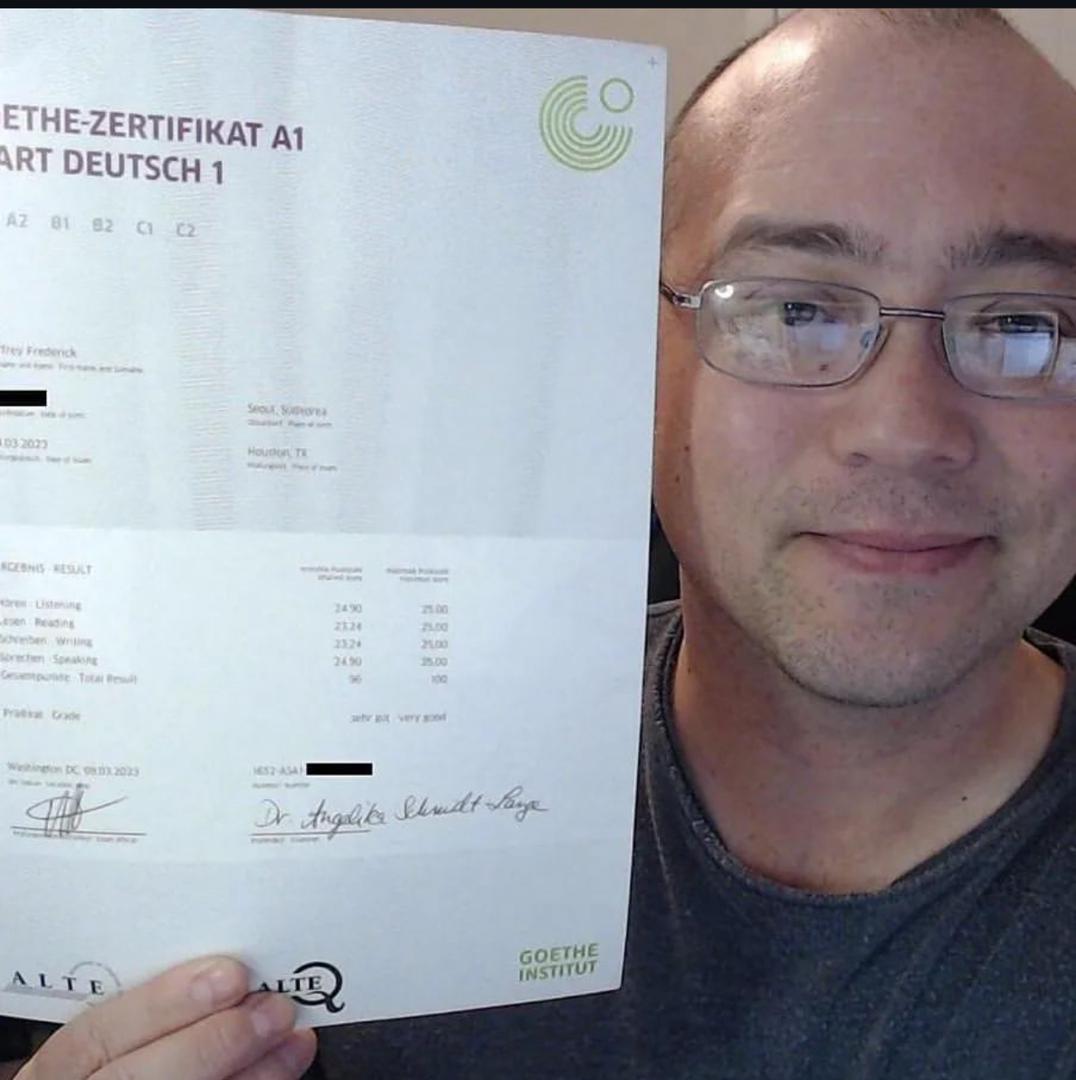
Understanding the German B1 Certificate: A Gateway to Advanced Language Proficiency
The German B1 Certificate, often referred to as the „Zertifikat Deutsch B1,“ is a considerable milestone for students of the German language. This certification, which becomes part of the Common European Framework of Reference for Languages (CEFR), signifies a level of proficiency that allows individuals to interact successfully in a vast array of daily and professional situations. This post dives into the value of the B1 certificate, the assessment process, and suggestions for preparation.
What is the German B1 Certificate?
The German B1 Certificate is a worldwide acknowledged language qualification that vouches for a student’s ability to comprehend and use German in a range of contexts. At the B1 level, people can:
- Understand the main points of clear standard input on familiar matters routinely encountered in work, school, leisure, etc.
- Deal with a lot of circumstances likely to develop while taking a trip in a location where the language is spoken.
- Produce simple linked text on topics that are familiar or of personal interest.
- Describe experiences and occasions, dreams, hopes, and ambitions, and briefly give reasons and descriptions for opinions and plans.
Significance of the B1 Certificate
-
Educational Opportunities: The B1 certificate is often a requirement for admission to German universities and other greater education institutions. It shows to admissions committees that the candidate has an enough command of the German language to follow the curriculum and get involved in scholastic conversations.
-
Expert Advancement: In the professional world, the B1 certificate can open doors to task chances in German-speaking countries or global companies. It reveals companies that the prospect can communicate successfully in a service environment and deal with regular tasks in German.
-
Cultural Integration: For individuals preparing to live in Germany or other German-speaking nations, the B1 certificate is an important tool for incorporating into the local neighborhood. It allows them to engage in social activities, understand cultural nuances, and construct relationships with native speakers.
-
Individual Fulfillment: Achieving the B1 level is a substantial individual accomplishment. It boosts confidence and supplies a sense of accomplishment, inspiring students to continue their language journey.
The Examination Process
The German B1 Certificate assessment is created to examine the prospect’s proficiency in all 4 language skills: reading, writing, listening, and speaking. The test is typically divided into the following sections:
-
Reading Comprehension:
- Format: Candidates check out a series of texts and respond to multiple-choice concerns.
- Skills Assessed: Ability to understand and analyze composed information, including posts, letters, and short stories.
-
Composing:
- Format: Candidates compose a short essay or letter based on a given prompt.
- Abilities Assessed: Ability to express ideas plainly and coherently in written type, with correct grammar and vocabulary.
-
Listening:
- Format: Candidates listen to audio recordings and respond to questions based upon what they hear.
- Abilities Assessed: Ability to comprehend spoken German in numerous contexts, consisting of discussions, announcements, and interviews.
-
Speaking:
- Format: Candidates take part in a structured conversation with an examiner.
- Abilities Assessed: Ability to interact successfully in spoken German, consisting of revealing opinions, asking and answering concerns, and explaining scenarios.
Preparation Tips
-
Practice Regularly: Consistent practice is crucial to improving language skills. Take part in activities that include all 4 language skills, such as reading German books, writing journal entries, listening to German podcasts, and consulting with native speakers.
-
Use Authentic Materials: Incorporate authentic materials into your research study routine, such as German papers, magazines, and television shows. This will help you become acquainted with real-world language usage.
-
Take Practice Tests: Familiarize yourself with the format and kinds of concerns in the B1 examination by taking practice tests. Many resources are readily available online, and language schools often use mock exams.
-
Join a Language Course: Enroll in a German language course to receive structured guidance and feedback from experienced instructors. Group classes also offer chances to practice speaking to peers.
-
Expand Your Vocabulary: Build a robust vocabulary by learning brand-new words and expressions regularly. Use flashcards, apps, or a vocabulary notebook to track your development.
-
Seek Feedback: Regularly look for feedback on your speaking and composing abilities from native speakers or language tutors. This will assist you identify locations for improvement and fine-tune your language use.
FAQs
Q: How long does it require to get ready for the B1 examination?
A: The time required to get ready for the B1 evaluation differs depending on the person’s beginning level and the intensity of their study. Normally, it can take several months of consistent practice to reach the B1 level.
Q: Can I retake the B1 evaluation if I stop working?
A: Yes, you can retake the B1 assessment if you do not pass. It is recommended to recognize the areas where you need enhancement and concentrate on those before retaking the test.
Q: Are there different variations of the B1 certificate for various functions?
A: Yes, there are different versions of the B1 certificate, such as the „Zertifikat Deutsch B1“ for basic functions, the „Zertifikat Deutsch B1: Beruf“ for expert contexts, and the „Zertifikat Deutsch B1: Gesundheitswesen“ for healthcare experts.
Q: Is the B1 certificate valid for life?
A: The B1 certificate is normally considered valid for life, but some organizations might need you to take a brand-new test if a substantial quantity of time has passed because your initial certification.
Q: Can I use the B1 certificate for visa applications?
A: Yes, the B1 certificate is often accepted as evidence of language proficiency for visa applications to German-speaking nations. Nevertheless, it is always recommended to examine the specific requirements of the embassy or consulate.
The German B1 Certificate is an important credential that opens many doors in education, employment, and individual growth. By comprehending the examination procedure and following a structured preparation plan, students can successfully accomplish this crucial turning point in their language journey. Whether you are planning to study in Germany, advance your career, or just enhance your language skills, the B1 certificate is a substantial action towards achieving your objectives.
-
Категории Производство на дограми и фасади
-
Публикувани 0
-
Прегледани 155
Контакт на отговорно лице за GDPR
Фирмени политики
Видеа
Медиите за нас

