
 За компанията
 Фирмени политики
 Видео
 Екип
 Галерия
 Контакти

Automatic Hoover
Последване на компанията
За компанията
Robot Cleaner Vacuum And Mop Tips To Relax Your Daily Lifethe One Robot Cleaner Vacuum And Mop Trick That Every Person Should Learn
The Rise of the Autonomous Home Helper: Exploring the World of Robot Vacuum and Mop Cleaners
In today’s hectic world, time is a precious commodity. The ruthless needs of work, family, and personal life typically leave household chores relegated to the bottom of the concern list. Go into the robot vacuum and mop cleaner, a marvel of modern technology created to reduce the problem of floor cleaning, providing benefit and recovering valuable moments. These smart gadgets are no longer a futuristic dream but a practical truth, gradually becoming necessary home appliances for busy people and families alike.
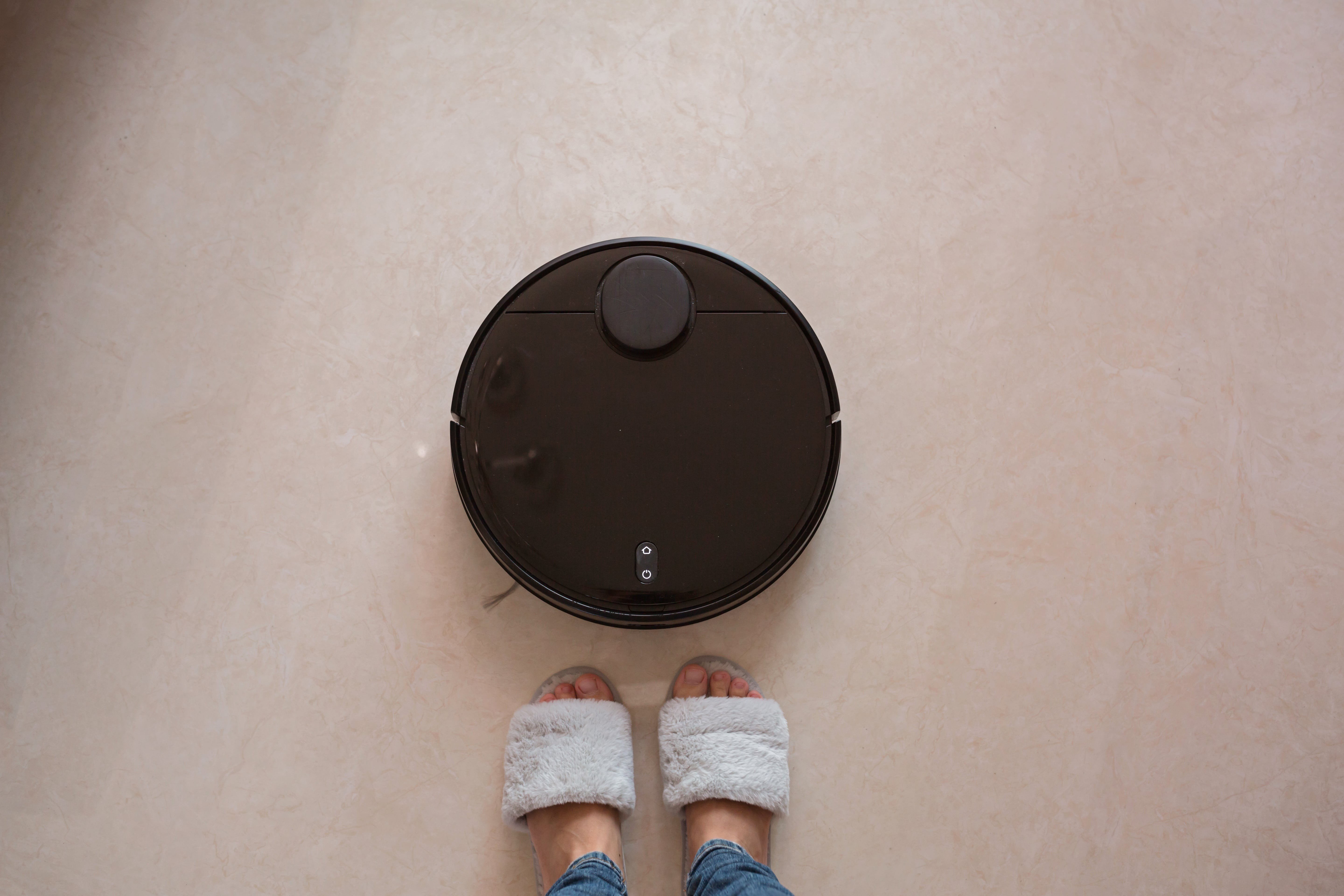
This post explores the world of robot vacuum and mop cleaners, exploring their functionality, advantages, the different types offered, and providing guidance on choosing the perfect one to suit private needs. We will likewise resolve typical inquiries and offer practical pointers to guarantee these robotic helpers remain efficient and effective for years to come.
How Robot Vacuum and Mop Cleaners Work: A Symphony of Sensors and Smart Technology
Robot vacuum and mop cleaners are advanced gadgets that utilize a mix of sensors, algorithms, and mechanical parts to browse and tidy floors autonomously. While the specific technology may differ in between models and brand names, the essential concepts stay consistent.
At their core, these robots depend on a suite of sensing units to view their environment. These sensors can consist of:
- Bump sensing units: Detect collisions with barriers, prompting the robot to alter direction.
- Cliff sensors: Prevent the robot from falling down stairs or ledges by identifying drops in elevation.
- Wall sensors: Allow the robot to follow walls and edges for comprehensive cleaning.
- Optical and infrared sensors: Used for navigation, mapping, and item detection, helping the robot develop effective cleaning paths and prevent obstacles.
- Gyroscope and accelerometer: Help the robot track its movement and orientation, adding to precise navigation and location protection.
These sensing units feed information to an onboard computer that processes info and directs the robot’s motion. Numerous contemporary robot vacuum and mops make use of sophisticated navigation innovations such as:
- Random Bounce Navigation: Older and easier models frequently utilize this method, moving arbitrarily until they experience a challenge, then altering instructions. While less efficient, they can still cover a location over time.
- Organized Navigation: More innovative robotics use systematic cleaning patterns, such as zig-zag or spiral movements, to guarantee more complete and efficient coverage.
- Smart Mapping: High-end designs include advanced mapping capabilities, often utilizing LiDAR (Light Detection and Ranging) or vSLAM (visual Simultaneous Localization and Mapping). These innovations permit robots to develop in-depth maps of the home, enabling them to clean specific spaces, set virtual boundaries, and discover the layout for enhanced cleaning routes.
The cleaning process itself includes 2 primary functions: vacuuming and mopping.
- Vacuuming: Robot vacuums use brushes to loosen particles from the floor and an effective suction motor to draw dirt, dust, pet hair, and other particles into a dustbin. Various brush types and suction levels cater to various floor types, from hard floorings to carpets.
- Mopping: Robot mops generally feature a water tank and a mopping pad. The robot gives water onto the pad, which then wipes the floor. Some designs use vibrating or oscillating mopping pads for more reliable stain removal. Different mopping modes and water flow settings are frequently readily available to fit numerous floor types and cleaning needs.
The Plethora of Benefits: Why Choose a Robot Vacuum and Mop?
The growing popularity of robot vacuum and mop cleaners is rooted in the many advantages they use:
- Time Savings: Perhaps the most significant benefit is the freedom from the time-consuming task of floor cleaning. Robotics tidy autonomously, freeing up valuable time for other tasks or leisure activities.
- Benefit: Robot cleaners can be scheduled to clean automatically, even when you are not home. Numerous are also controllable by means of smartphone apps, allowing for remote operation and tracking.
- Consistent Cleanliness: Regularly set up cleaning ensures a consistently cleaner home. Robot vacuums can operate daily, preventing the buildup of dust and particles, resulting in a healthier living environment.
- Reduced Allergens: Effective purification systems in numerous Robot Cleaner Vacuum And Mop vacuums trap dust mites, pet dander, and pollen, contributing to enhanced air quality and possibly relieving allergy symptoms.
- Effortless Cleaning Under Furniture: Their low profile permits robot cleaners to browse under beds, couches, and other furniture, reaching areas frequently missed during manual vacuuming and mopping.
- Ideal for Pet Owners: Robot vacuums are especially efficient at getting pet hair, a consistent challenge for pet owners. Regular robotic cleaning can considerably minimize pet hair accumulation.
- Range of Features and Price Points: The market uses a large range of robot vacuum and mop cleaners, catering to different budget plans and requirements, from standard models to feature-rich, smart devices.
Browsing the Options: Types of Robot Vacuum and Mops
The robot vacuum and mop market is diverse, providing various designs with different performances. Here’s a basic categorization to help comprehend the choices:
- Robot Vacuums Only: These are devoted vacuuming robotics that focus solely on dry cleaning. They are generally more cost effective and often provide robust vacuuming performance.
- 2-in-1 Robot Vacuum and Mops: These versatile devices integrate both vacuuming and mopping functionalities. They use convenience and space-saving benefits, though mopping efficiency might be less intensive than devoted robot mops in some designs.
- Dedicated Robot Mops: These robots are particularly developed for mopping difficult floors. They often include more sophisticated mopping systems, such as vibrating pads and precise water giving control, for reliable damp cleaning.
- Self-Emptying Robot Vacuums: These premium designs come with a charging base that likewise operates as a dustbin. When the robot’s dustbin is full, it immediately empties into the larger base dustbin, significantly decreasing manual emptying frequency.
- Smart Robot Vacuums and Mops: These sophisticated robots are geared up with smart features like Wi-Fi connectivity, smart device app control, voice assistant combination (e.g., Alexa, Google Assistant), room mapping, and virtual no-go zones.
Choosing the Right Robotic Cleaning Companion: Factors to Consider
Picking the perfect robot vacuum and mop cleaner requires cautious factor to consider of individual needs and home attributes. Here are key aspects to assess:
- Home Size and Layout: Larger homes or those with complex layouts might take advantage of robots with smart mapping and long battery life for efficient coverage. Smaller apartments can be effectively served by easier designs.
- Floor Types: Consider the primary floor types in your home. For homes with primarily hard floorings, a 2-in-1 or dedicated robot mop is perfect. For carpeted homes, focus on designs with strong suction and effective carpet brushes. For homes with a mix of floor types, try to find robotics that can handle transitions and offer adjustable settings for various surface areas.
- Pet Ownership: If you have family pets, prioritize robotics with effective suction, tangle-free brushes, and larger dustbins to effectively handle pet hair and dander.
- Budget: Robot vacuum and mop prices differ considerably. Define your budget and check out designs within your price range. Keep in mind that higher-priced models frequently offer advanced features and much better performance but fundamental designs can still be extremely effective.
- Smart Features: Determine which smart functions are vital for you. Wi-Fi connectivity, app control, space mapping, and voice assistant integration can substantially boost benefit and control.
- Battery Life and Coverage Area: Ensure the robot’s battery life and coverage area suffice for your home size. Think about designs with automatic charging and resume cleaning features for larger areas.
- Maintenance Requirements: Consider the ease of upkeep. Search for designs with easily accessible dustbins, washable filters, and replaceable brushes. Self-emptying models lower the frequency of dustbin emptying.
Preserving Your Robot Vacuum and Mop: Ensuring Longevity and Performance
To guarantee your robot vacuum and mop operates effectively and lasts for many years, routine upkeep is necessary. Secret upkeep jobs include:
- Emptying the Dustbin: Empty the dustbin frequently, preferably after each cleaning cycle, to maintain ideal suction performance.
- Cleaning or Replacing Filters: Clean or change filters according to the maker’s recommendations. Blocked filters lower suction and cleaning performance.
- Cleaning Brushes: Remove hair and particles tangled in the brushes frequently. Some designs feature tools particularly developed for brush cleaning.
- Cleaning Mop Pads: Wash or replace mop pads after each mopping cycle to maintain health and cleaning efficiency.
- Cleaning Sensors: Periodically wipe the robot’s sensors with a soft, dry fabric to guarantee accurate navigation and challenge detection.
- Examining for Obstructions: Regularly check the robot’s path for potential obstructions like cable televisions or little things that might get twisted.
By following these easy upkeep actions, you can ensure your robot vacuum and mop continues to offer trusted and effective cleaning for years to come.
Conclusion: Embracing the Future of Floor Cleaning
Robot vacuum and mop cleaners have revolutionized home cleaning, providing unrivaled benefit, time savings, and consistent tidiness. From basic entry-level models to sophisticated smart gadgets, there is a robot cleaner to suit every requirement and budget plan. By comprehending their functionality, benefits, and the elements to consider when picking one, you can confidently embrace this innovative technology and recover important time while taking pleasure in a regularly tidy and healthy home environment. The age of autonomous home assistants is here, guaranteeing a future where floor cleaning is no longer a task but an effortlessly automated process.
Often Asked Questions (FAQs) about Robot Vacuum and Mop Cleaners
Q1: Are robot vacuum and mops as effective as traditional vacuum and mops?
- Robot vacuums and mops are usually efficient for daily cleaning and maintenance. They may not be as powerful as high-end standard vacuum cleaners for deep cleaning really thick carpets or removing greatly ingrained stains. Nevertheless, for regular upkeep and keeping a tidy home, they are highly effective and convenient.
Q2: Can robot vacuum and mops clean up all types of floors?
- The majority of robot vacuums and mops are developed to clean up difficult floors like hardwood, tile, laminate, and linoleum. Numerous designs can also handle low-pile carpets and rugs. Nevertheless, very plush or high-pile carpets may posture challenges for some robots. Always examine the maker’s specifications concerning floor types.
Q3: Do robot vacuum and mops need Wi-Fi to run?
- Fundamental robot vacuum and mops without smart features can operate without Wi-Fi. However, designs with Wi-Fi connection offer boosted functions like smartphone app control, scheduling, space mapping, and voice assistant combination. Wi-Fi is necessary to use these smart performances.
Q4: How long do robot vacuum and mops typically last?
- The lifespan of a robot vacuum and mop depends on usage, maintenance, and the quality of the device. With correct maintenance, an excellent quality robot vacuum and mop can last for a number of years, generally ranging from 3 to 5 years or perhaps longer.
Q5: Are robot vacuum and mops loud?
- Robot vacuums and mops usually produce less noise than traditional vacuum cleaners. Noise levels vary in between designs, but lots of are designed to run quietly enough not to be disruptive throughout regular home activities.
Q6: Can robot vacuum and mops clean pet hair efficiently?
- Yes, numerous robot vacuums are specifically designed for pet hair removal. Look for models with features like strong suction, tangle-free brushes, and larger dustbins, which are particularly efficient at getting pet hair and dander.
Q7: What takes place if a robot vacuum and mop gets stuck?
- Modern robot vacuum and mops are equipped with sensors and challenge avoidance technology to minimize getting stuck. Nevertheless, they might occasionally get stuck on loose cables, little things, or in tight corners. Lots of designs will instantly stop and send out a notification if they get stuck.
Q8: Do I need to prepare my house before using a robot vacuum and mop?
- It’s advised to declutter floorings by eliminating little things, cables, and loose products that might block the robot or get tangled in the brushes. Stashing chair legs and raising curtains can likewise improve cleaning effectiveness.
Q9: Can robot vacuum and mops climb over thresholds?
- Many robot vacuum and mops can climb over low limits, generally around 0.5 to 0.75 inches. Nevertheless, higher thresholds might prevent them from moving between rooms. Inspect the maker’s specs for limit climbing up ability.
Q10: Are robot vacuum and mops worth the investment?
- For hectic individuals, households, and pet owners, robot vacuum and mops can be a rewarding investment. They use considerable time cost savings, convenience, and constant cleaning, adding to a cleaner and more comfortable home environment. The long-lasting benefits typically outweigh the initial cost for lots of users.
-
Категории Индустриално строителство
-
Публикувани 0
-
Прегледани 28
Контакт на отговорно лице за GDPR
Фирмени политики
Видеа
Медиите за нас

