
 За компанията
 Фирмени политики
 Видео
 Екип
 Галерия
 Контакти

Best Robot Vacuum And Mop UK
Последване на компанията
За компанията
What’s The Job Market For Robot Vacuum Cleaner Professionals?
The Rise of the Autonomous Cleaner: A Deep Dive into Robot Vacuum Cleaners
In today’s hectic world, effectiveness and convenience are paramount. As technology advances, it flawlessly weaves its method into our every day lives, automating tasks and maximizing precious time. One such innovation that has changed family tasks is the Robot Vacuum Cleaner (Git.7O9O.Net). These intelligent devices have actually moved beyond novelty gadgets, ending up being vital tools for maintaining tidy homes with very little effort.
Robot vacuum are no longer a futuristic dream; they are a concrete reality, easily available and significantly advanced. They represent a considerable shift in how we approach cleaning, enabling us to reclaim our weekends and nights from the drudgery of vacuuming. This post looks into the world of robot vacuum cleaners, exploring their inner functions, the different types readily available, the benefits they offer, and the key considerations when choosing the right one for your home.
How Do These Little Cleaning Robots Work?
At their core, robot vacuum are marvels of engineering, combining numerous innovations to navigate and tidy autonomously. They are essentially mini, self-propelled vacuum equipped with sensing units, motors, and advanced software. While designs vary in complexity, the basic principles stay consistent:
-
Navigation and Mapping: Early robot vacuums depended on bump-and-go navigation, arbitrarily bouncing around until the entire floor was covered. Modern models are even more intelligent. Lots of utilize advanced technologies such as:
- Infrared Sensors: These sensors discover obstacles and walls, enabling the robot to change direction and prevent accidents.
- Cliff Sensors: Located on the underside, these sensing units prevent the robot from falling down stairs or off ledges.
- Gyroscopes and Accelerometers: These internal sensors track the robot’s motion and orientation, enhancing navigation precision.
- Visual Simultaneous Localization and Mapping (vSLAM): Higher-end designs make use of video cameras and advanced algorithms to develop a map of the home in real-time. This permits organized cleaning courses and targeted cleaning.
- LiDAR (Light Detection and Ranging): Another sophisticated mapping innovation utilizing laser beams to produce extremely accurate maps of the environment. LiDAR-equipped robotics are frequently more effective in low-light conditions.
-
Suction and Cleaning Systems: Just like standard vacuum cleaners, robot vacuums use suction to raise dust, dirt, and particles from floorings. They usually include:
- Main Brushroll: A rotating brush roll at the bottom upsets carpets and sweeps debris towards the suction inlet. Some designs have specialized brush rolls for different floor types.
- Side Brushes: These extend out to clean along edges and corners, successfully sweeping debris into the course of the primary brushroll.
- Suction Motor: The power of the suction motor figures out the cleaning efficiency, especially on carpets and for pet hair. Suction power is often measured in Pascals (Pa).
- Filtering Systems: Most robot vacuums use filters to trap dust and irritants, enhancing air quality. HEPA filters are especially effective at capturing great particles.
-
Battery and Charging: Robot vacuums are powered by rechargeable batteries, generally Lithium-ion. Battery life differs depending upon the model and settings, varying from 60 to 120 minutes or more on a single charge. When the battery is low, or after finishing a cleaning cycle, many robotics immediately return to their charging dock.
A Spectrum of Cleaning Capabilities: Types of Robot Vacuum Cleaners
The market for robot vacuum is diverse, providing designs with differing functions and rate points to cater to various needs and spending plans. Here are some typical categories:
-
Basic Robot Vacuums: These entry-level designs concentrate on core cleaning performance. They usually include bump-and-go navigation, basic suction, and timers for scheduled cleaning. They are perfect for smaller homes or those brand-new to robot vacuum technology.
-
Smart Mapping Robot Vacuums: Equipped with vSLAM or LiDAR, these robotics create detailed maps of your home. This enables organized cleaning patterns, room-by-room cleaning, „no-go zones“ that you can define in an app, and even targeted area cleaning. They are considerably more effective and thorough than basic designs.

-
Robot Vacuum and Mop Combos: These versatile gadgets integrate vacuuming and mopping performances. They generally have a water tank and a mopping pad accessory. While they might not change dedicated mops for deep cleaning, they are exceptional for keeping tough floors and light mopping.
-
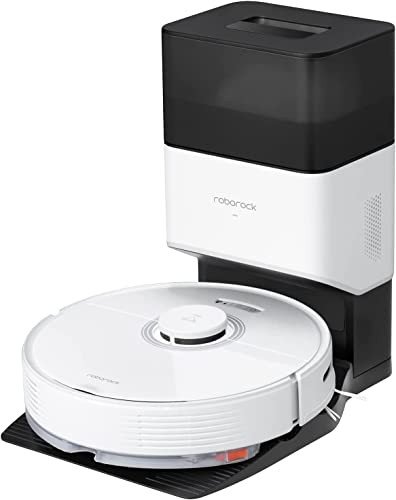
Self-Emptying Robot Vacuums: A game-changer for convenience, self-emptying robotics return to a docking station that not just charges them however also automatically clears their dustbin into a larger, sealed container. This significantly lowers the frequency of manual dustbin clearing, typically enduring weeks and even months.
-
Pet-Specific Robot Vacuums: Designed to take on pet hair successfully, these designs typically feature stronger suction, tangle-free brush rolls, and boosted purification to capture allergens and pet dander.
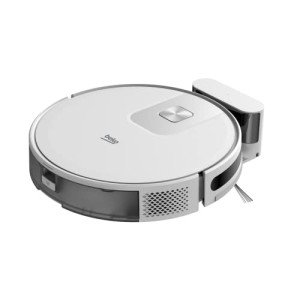
The Plethora of Perks: Benefits of Robot Vacuum Cleaners
The popularity of robot vacuum stems from the numerous advantages they provide, considerably streamlining home cleaning routines:
-
Time Savings: Perhaps the most considerable benefit is the time saved. Robot vacuums manage floor cleaning autonomously, releasing up your time for more satisfying activities or other essential tasks.
-
Convenience and Automation: Set a cleaning schedule, and your robot vacuum will instantly clean your floors, even when you are far from home. This uncomplicated cleaning contributes to a regularly cleaner home environment.
-
Constant Cleaning: Robot vacuums can clean more frequently than manual vacuuming, maintaining a greater level of cleanliness. Regular, automated cleaning can prevent dirt and dust buildup, especially in hectic families.
-
Pet Hair Management: For pet owners, robot vacuums are invaluable. They effectively tackle pet hair on different floor types, decreasing allergens and keeping homes cleaner. Pet-specific designs are especially proficient at this job.
-
Reaching Under Furniture: Their low profile allows robot vacuums to tidy under beds, couches, and other furniture, areas frequently missed out on with traditional vacuums.
-
Smart Home Integration: Many contemporary robot vacuums can be controlled through mobile phone apps and incorporated with smart home ecosystems like Alexa or Google Assistant, providing voice control and advanced scheduling alternatives.
Browsing the Selection Process: Factors to Consider When Choosing
Selecting the best robot vacuum requires mindful factor to consider of your private requirements and home environment. Here are crucial elements to examine:
-
Budget: Robot vacuum rates differ considerably based on features and brand. Identify your budget and prioritize features that are crucial to you.
-
Home Size and Layout: Larger homes with complex designs take advantage of smart mapping robots with longer battery life. Smaller homes may be effectively served by standard models.
-
Floor Types: Consider the types of flooring in your home. Residences with primarily hard floorings may focus on mopping abilities, while carpeted homes will need stronger suction and efficient brush rolls.
-
Functions and Functionality: Think about desired features like:
- Navigation System: Bump-and-go vs. smart mapping (vSLAM or LiDAR).
- Suction Power: Consider your floor types and pet ownership requirements.
- Battery Life: Ensure it’s sufficient to clean your entire home on a single charge.
- Self-Emptying Bin: For optimum convenience.
- Mopping Functionality: If you desire to combine vacuuming and mopping.
- Smart Features: App control, scheduling, virtual walls, room-by-room cleaning, voice control.
-
Pet Ownership: If you have animals, prioritize designs created for pet hair, with strong suction, tangle-free brush rolls, and effective purification.
-
Noise Level: Robot vacuums do produce noise. Check sound levels if you are especially conscious sound or prepare to run the vacuum while at home.
Maintaining Your Autonomous Assistant: Care and Upkeep
To ensure your robot vacuum operates efficiently and lasts longer, routine maintenance is essential:
-
Empty the Dustbin Regularly: Even self-emptying designs need occasional emptying of the base station container. For non-self-emptying models, empty the dustbin after each cleaning cycle or as needed.
-
Clean the Brush Rolls and Side Brushes: Hair, debris, and threads can collect on the brushes. Regularly eliminate and clean them to maintain optimal cleaning efficiency.
-
Change Filters Periodically: Filters need to be changed according to the manufacturer’s recommendations to preserve efficient purification and suction.
-
Clean Sensors: Wipe sensors with a soft, dry fabric to ensure accurate navigation and barrier detection.
-
Examine for Obstructions: Before running the robot, clear any little objects, cords, or loose carpets that might get tangled in the brushes or block the robot’s course.
The Future is Autonomous Cleaning
Robot vacuum cleaner innovation is continuously progressing. We can anticipate to see more improvements in navigation, cleaning power, artificial intelligence, and combination with smart home systems. Future robots might be much more personalized, finding out cleaning preferences, adjusting to various floor types automatically, and even determining and preventing specific barriers.
Conclusion: Embracing the Convenience of Robot Vacuums
Robot vacuum cleaners have transformed the landscape of home cleaning, offering extraordinary convenience, time savings, and consistent cleanliness. From fundamental designs to advanced smart mapping robots with self-emptying abilities, there is a robot vacuum to fit every home and way of life. By understanding their features, advantages, and upkeep requirements, you can pick the ideal autonomous cleaner to simplify your life and take pleasure in a consistently cleaner home with minimal effort. Accept the future of cleaning and let a robot vacuum recover your time and streamline your chores.
Regularly Asked Questions (FAQs) about Robot Vacuum Cleaners
Q1: Are robot vacuum as effective as standard vacuums?
A: Modern robot vacuums, especially higher-end models, can be very reliable at cleaning numerous floor types. While they may not have the raw power of some high-end upright vacuums for deep cleaning heavy carpets, they excel at everyday upkeep cleaning and are typically enough for many household needs, particularly on tough floors and low-pile carpets.
Q2: How long do robot vacuum last?
A: The lifespan of a robot vacuum depends upon the brand name, model, usage, and upkeep. Typically, you can anticipate an excellent quality robot vacuum to last for 3-5 years or perhaps longer with appropriate care. Battery life is a key factor, and batteries may need replacement after a couple of years.
Q3: Can robot vacuum damage furnishings or walls?
A: Most modern-day robot vacuums have sensors to detect obstacles and avoid crashes. However, it’s still advisable to clear clutter and delicate items from the robot’s course. Some models allow you to set up virtual walls or no-go zones to avoid them from going into particular locations.
Q4: Are robot vacuum loud?
A: Robot vacuums do produce sound, however typically, they are quieter than conventional upright vacuums. Noise levels differ between designs and suction settings. Try to find designs with lower decibel rankings if sound is a concern.
Q5: Can robot vacuum cleaners clean pet hair efficiently?
A: Yes, numerous robot vacuums are designed particularly for pet hair and are very effective at picking it up from numerous floor types. Look for designs with strong suction, tangle-free brush rolls, and HEPA filters to trap pet allergens.
Q6: Do I still need a routine vacuum if I have a robot vacuum?
A: For most families, a robot vacuum can considerably minimize the requirement for routine vacuuming. Nevertheless, you may still require a traditional vacuum for area cleaning, deep cleaning carpets, or cleaning furniture and upholstery, depending on your particular cleaning requirements.
Q7: How much do robot vacuum cleaners cost?
A: Prices vary commonly, varying from under ₤ 200 for fundamental designs to over ₤ 1000 for high-end models with innovative features like smart mapping, self-emptying, and mopping.
Q8: Are robot vacuum cleaners worth the financial investment?
A: For many individuals, the benefit and time savings used by robot vacuum make them a worthwhile financial investment. They are especially useful for busy individuals, households with animals, and those who desire to preserve a regularly tidy home with very little effort.
-
Категории Архитектурно проектантско бюро
-
Публикувани 0
-
Прегледани 147
Контакт на отговорно лице за GDPR
Фирмени политики
Видеа
Медиите за нас

