
 За компанията
 Фирмени политики
 Видео
 Екип
 Галерия
 Контакти

Rollator For Disabled
Последване на компанията
За компанията
9 . What Your Parents Taught You About How To Use A Rollator
How To Use A Rollator: A Comprehensive Guide
Rollators are mobility aids developed to improve the self-reliance and safety of individuals with mobility challenges. Unlike basic walkers, rollators are geared up with wheels, a seat, and often a storage pouch, permitting users to move with higher ease and comfort. This post provides an in-depth guide on how to use a rollator effectively and securely, ensuring a smoother and more enjoyable walking experience.
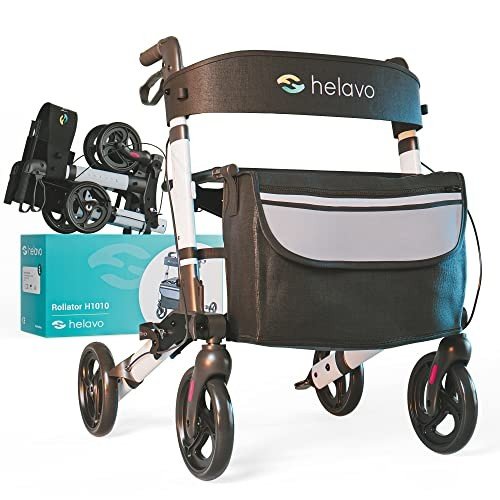
What is a Rollator?
A rollator is a wheeled walking aid. It typically has:
- Three or 4 wheels: Offering stability and maneuverability.
- Hand brakes: For control while walking or when resting.
- A seat: Allowing users to take breaks conveniently.
- Storage area: Such as a basket or pouch for individual products.
Types of Rollators
There are numerous types of rollators, developed to fulfill the requirements of different users:
| Type | Description | Best for |
|---|---|---|
| 3-Wheel Rollator | Lighter and more compact, perfect for indoor use | Browsing tight areas |
| 4-Wheel Rollator | Offers stability and a larger seat, ideal for outdoor use | Longer walks and heavier use |
| Heavy-Duty Rollator | Developed to support more weight with additional robust features | Users needing additional support |
| Pediatric Rollator | Smaller sized in size, changed for kids | Children with mobility limitations |
How to Use a Rollator
Using a rollator properly is important to make sure safety and take full advantage of the benefits it provides. Here’s a step-by-step guide:
Step 1: Adjust the Height
Before using the rollator, it is necessary to adjust the handlebars to the appropriate height.
- Stand straight: With your arms relaxed at your sides.
- Step the height: The hand grips ought to be at wrist level when the user is standing.
- Safe changes: Ensure all locking systems are strongly engaged.
Action 2: Familiarize Yourself with the Rollator
Understanding the components of the rollator will help boost its use.
- Brakes: Learn how to engage and release the brakes by squeezing the manages.
- Seat: Identify where to sit comfortably when you need to rest.
- Storage area: Know where you can store personal possessions.
Action 3: Start Walking
- Position the rollator: Place it an action ahead of you, guaranteeing that the brakes are launched.
- Grip the deals with firmly: Keep a light stress in your arms while holding onto the rollator.
- Step inside the frame: Move forward by stepping with one foot and then the other.
- Maintain a straight posture: Walking ought to be upright, preventing the temptation to lean on the rollator excessively.
Step 4: Utilize Brakes
Always use the brakes successfully to enhance safety:
- To decrease: Gradually squeeze the brakes.
- To stop: Fully engage the brakes by pulling on both manages.
- To take a seat: Ensure the rollator is steady, then carefully lower yourself onto the seat.
Step 5: Maneuver with Care
Turning and browsing can be difficult, so here are vital suggestions:
- Telegraph your instructions: Look where you desire to go before turning.
- Take little actions: Move carefully when turning to preserve balance.
- Use a three-point turn: Turn from one side to the other, keeping the Walker With Brakes close.
Step 6: Practice Stopping and Resting
Taking breaks is essential. Here are tips for resting:
- Find flat surface areas: Ensure the location is level when you sit.
- Engage the brakes when seated: This will avoid rolling.
- Shift position slowly: When prepared to stand again, remove the brakes before increasing.
Maintenance and Safety Tips
To guarantee the rollator stays practical and safe:
- Regularly inspect the brakes: Ensure they engage and launch correctly.
- Check wheel positioning: Wheels needs to not wobble; tighten up any loose screws.
- Clean the rollator: Wipe down surfaces and remove particles from tires to keep smooth operation.
Typical Concerns
Users may deal with a number of common issues when utilizing rollators. Here are some basic FAQs:
FAQs
Q1: Can I use a rollator outdoors?A: Yes, a lot of
rollators are designed for both indoor and outdoor use. However, ensure it has the proper wheel size and tread for outdoor surfaces. Q2: What are the weight limits on rollators?A: Weight restricts
generally vary by design, but heavy-duty rollators can normally accommodate users weighing around 300 to 500 pounds. Q3: Are rollators adjustable?A: Yes, a lot of rollators feature adjustable deal with heights to accommodate users of different heights
. Q4: How do I carry a rollator?A: Many rollators canbe folded for hassle-free transport in a vehicle. Always check the user handbook for particular folding guidelines. Q5: Can I use a rollator while recovering from surgery?A: Yes, numerous individuals use rollators throughout recovery to regain strength and balance, but guarantee you follow your doctor’s recommendations.
Understanding how to use a rollator properly can considerably improve mobility and reduce the threat of falls. Whether you are new to using mobility aids or seeking to fine-tune your method, following the standards talked about in this short article is important. With practice, a rollator can boost independence while guaranteeing safety, therefore allowing users to enjoy a more active lifestyle.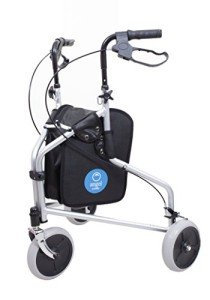
-
Категории Логистика
-
Публикувани 0
-
Прегледани 21
Контакт на отговорно лице за GDPR
Фирмени политики
Видеа
Медиите за нас

