
 За компанията
 Фирмени политики
 Видео
 Екип
 Галерия
 Контакти

Roofline Services
Последване на компанията
За компанията
See What Eaves Replacement Tricks The Celebs Are Using
The Complete Guide to Eaves Replacement
Eaves are a crucial part of a structure’s roof. These overhanging edges serve several purposes, from directing rainwater away from the structure to boosting the aesthetic appeal of a structure. However, like any other building part, eaves can wear with time due to direct exposure to the elements. This short article will check out the significance of eaves, the signs that show a requirement for replacement, the process of eaves replacement, and regularly asked concerns connected to this subject.
Comprehending Eaves
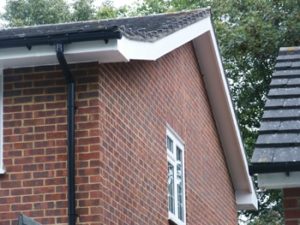
Eaves are the part of a roofing that overhangs the walls of a structure. They can be discovered in various architectural designs, and their style typically depends upon the structure’s overall aesthetic. The main functions of eaves are:
-
Water Management: Eaves assist in directing rainwater away from the walls and structure, thus preventing water damage and erosion.
-
Defense: They shield the structure from direct sunshine, which can assist in decreasing cooling costs in warmer environments.
-
Visual Appeal: Eaves contribute significantly to the architectural design and charm of a building.
Kinds of Eaves
There are mostly two types of eaves: Open Eaves and Closed Eaves.
-
Open Eaves: These have actually exposed rafters or beams and provide a rustic appearance. They are simple to maintain however might require more attention to prevent water damage.
-
Closed Eaves: These are completed with a soffit and fascia, creating a cleaner appearance. They frequently are better at concealing important components, such as ventilation systems.
| Function | Open Eaves | Closed Eaves |
|---|---|---|
| Visual Appeal | Rustic | Clean |
| Maintenance Ease | Easier | More Complex |
| Security Level | Moderate | High |
Signs That Your Eaves Need Replacement
It is important to check eaves occasionally to ensure they remain in excellent condition. Some indications that indicate a need for eaves replacement include:
-
Visible Damage: Cracks, holes, or significant wear are clear indicators that your eaves might require replacement.
-
Water Stains: If you discover water spots on interior walls or ceilings, it might suggest that water is not being effectively directed away.
-
Sagging or Drooping: Eaves that droop or droop might be a sign of structural failure or heavy water build-up.
-
Rotting Wood: Wood eaves are susceptible to rot. If the wood feels soft or shows signs of decay, replacement is required.
-
Insect Infestation: Evidence of insects like ants or termites can be a sign of instability in the eaves and therefore a need for replacement.
The Eaves Replacement Process
Replacing eaves can be a labor-intensive job, typically requiring professional assistance. Below is a detailed process of how eaves are normally changed:
-
Assessment: Identify damage and identify the kind of eaves that need to be changed.
-
Removal: Carefully get rid of the existing eaves. This may involve cutting nails or screws and ensuring that contributing structures are not harmed.
-
Preparation: Inspect and repair any damage to the underlying structures, such as fascia boards.
-
Installation: Install the brand-new eaves. This involves connecting them safely to make sure prevent future issues.
-
Completing Touches: After installation, painting or sealing the eaves may be required to protect versus the elements.
-
Evaluation: Carry out a final examination to ensure that everything has been installed properly which there are no leaks.
Maintenance Tips for Eaves
As soon as the brand-new eaves are installed, it is important to keep them properly maintained. Here are some ideas:
- Regularly tidy seamless gutters to avoid clogs.
- Inspect eaves after heavy storms for any damage.
- Paint or seal wood eaves every 3-5 years to prevent rot.
FAQs About Eaves Replacement
Q1: How long does it usually require to replace eaves?A: The period depends on the size of the job and complexity however can range from a couple of hours to a number of days.
Q2: Can I replace eaves myself?A: DIY replacement is possible for those with the best skills and tools. Nevertheless, working with specialists is a good idea for safety and effectiveness, particularly for intricate structures. Q3: What materials are typically used for eaves?A: Eaves can
be made from various materials, consisting of wood, vinyl,
aluminum, and fiber cement. The choice typically depends upon the structure’s style and ecological conditions. Q4: How much does eaves replacement usually cost?A: Costs differ significantly based on area, products selected, and labor charges, normally varying
from ₤ 100 to ₤ 300 per direct foot for installation. Q5: Can I alter the design of my eaves?A: Yes, eaves can be changed with a different style throughout the replacement procedure, allowing house owners to improve their structure’s aesthetics. Eaves play a vital function in safeguarding a building and improving its appearance. Routine assessments and prompt replacements are vital to maintain both performance and aesthetics. While eaves replacement can be an overwhelming job, comprehending the process and knowing when to do something about it can make it more workable. Interested property owners need to speak with professionals to guarantee an effective replacement procedure customized to their specific needs.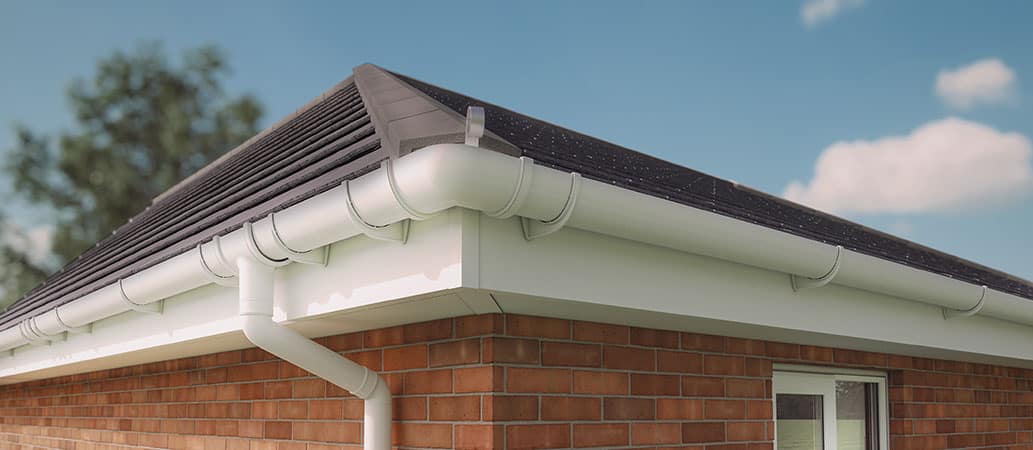
-
Категории Сухо строителство
-
Публикувани 0
-
Прегледани 421
Контакт на отговорно лице за GDPR
Фирмени политики
Видеа
Медиите за нас

